
Preparing Your Construction Projects for Seasonal Changes in Centre-Val de Loire
CP
Understanding the Impact of Seasonal Changes
Centre-Val de Loire, with its picturesque landscapes and rich history, also experiences distinct seasonal changes. For construction projects, these variations can significantly impact timelines, materials, and safety. Preparing for these changes is crucial to ensure successful project completion.
The Importance of Weather Forecasting
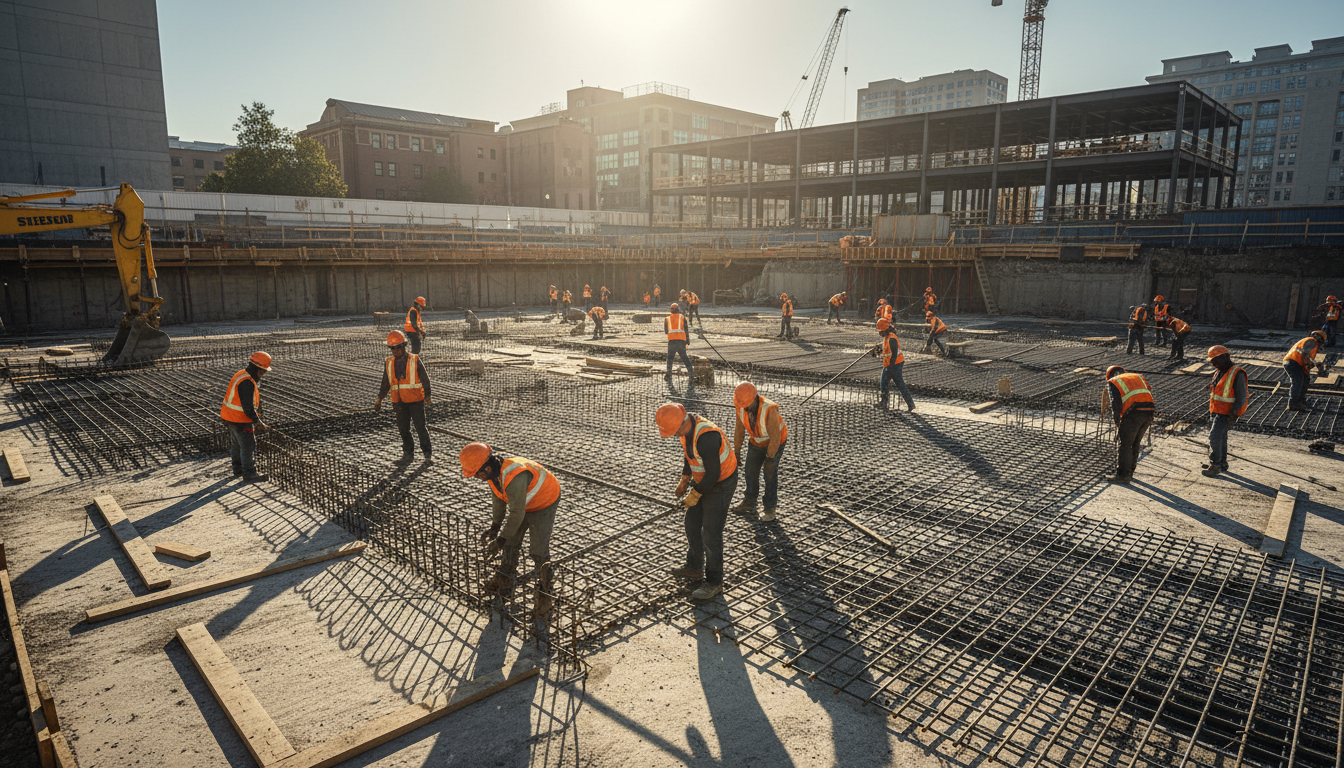
Weather forecasting plays a vital role in preparing construction projects. By understanding upcoming weather patterns, you can plan accordingly to avoid delays. For instance, heavy rains in autumn can hinder foundation work, while summer heat may affect concrete curing times.
Adapting Construction Materials
The choice of materials is another critical factor. During the colder months, materials that can withstand low temperatures are essential. Winter in Centre-Val de Loire can bring freezing temperatures that may compromise certain materials if not properly protected.

Insulating Against the Cold
Proper insulation techniques are necessary to protect both workers and materials. Using insulated tarps and temporary heating can help maintain appropriate temperatures for tasks like painting and plastering. This ensures that work progresses smoothly even in adverse conditions.
Managing Water and Drainage
Water management is crucial, especially during the rainy seasons. Improper drainage can lead to water accumulation, damaging foundations and delaying projects. Implementing effective drainage systems helps mitigate these risks.
Implementing Effective Drainage Systems
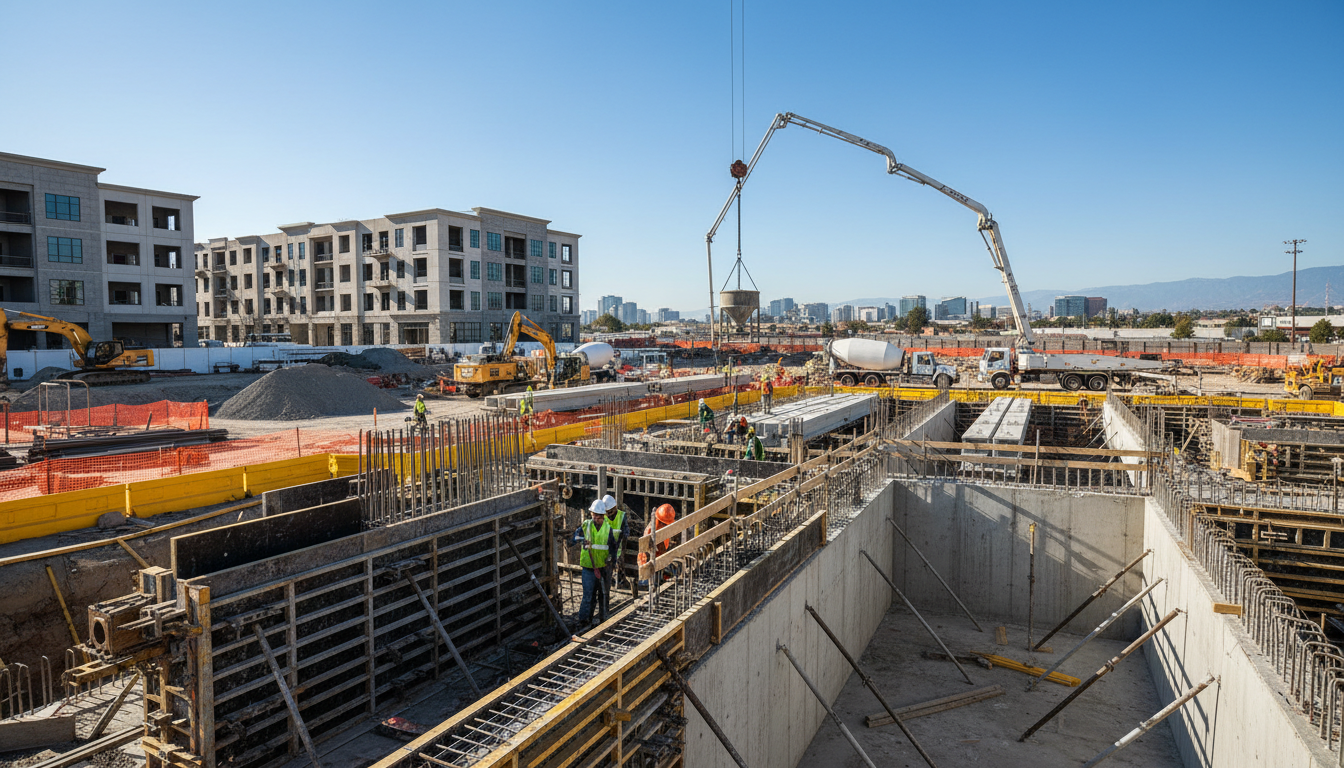
During the planning phase, consider integrating advanced drainage solutions. These can include surface drainage, subsurface drainage, and proper grading to redirect water away from the construction site, preventing potential flooding issues.
Ensuring Worker Safety
Seasonal changes also affect worker safety. Cold weather can lead to hypothermia, while wet conditions increase the risk of slips and falls. Providing appropriate gear and safety training is essential for maintaining a safe working environment.
Providing Proper Safety Gear
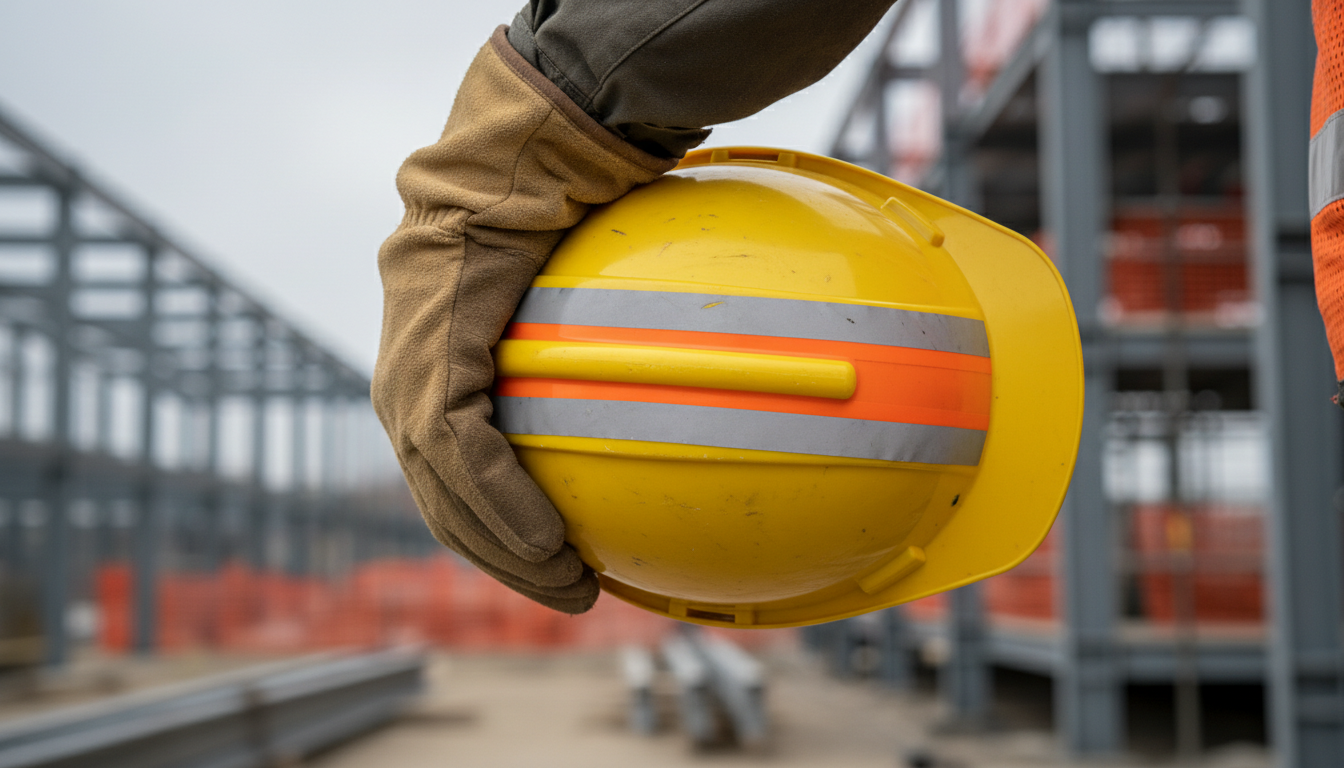
Equip workers with weather-resistant gear such as insulated gloves, waterproof boots, and warm clothing. Regular safety briefings and updates on weather conditions can further enhance safety on-site.
Planning for Seasonal Delays
Despite best efforts, some delays may be unavoidable. Building extra time into your project schedule can help accommodate unexpected weather conditions. This proactive approach minimizes stress and keeps the project on track.
Flexibility in Project Timelines
Allowing for flexibility in project timelines ensures that you can adjust to changing conditions without compromising quality. Effective communication with all stakeholders is key to managing expectations and maintaining progress.