The Ultimate Guide to Construction Management in Centre-Val de Loire
CP
Construction management in the Centre-Val de Loire region is a dynamic and evolving field that requires a blend of technical know-how, strategic planning, and local expertise. This guide aims to provide an in-depth understanding of the key components involved in managing construction projects in this picturesque region of France.
Understanding the Local Landscape
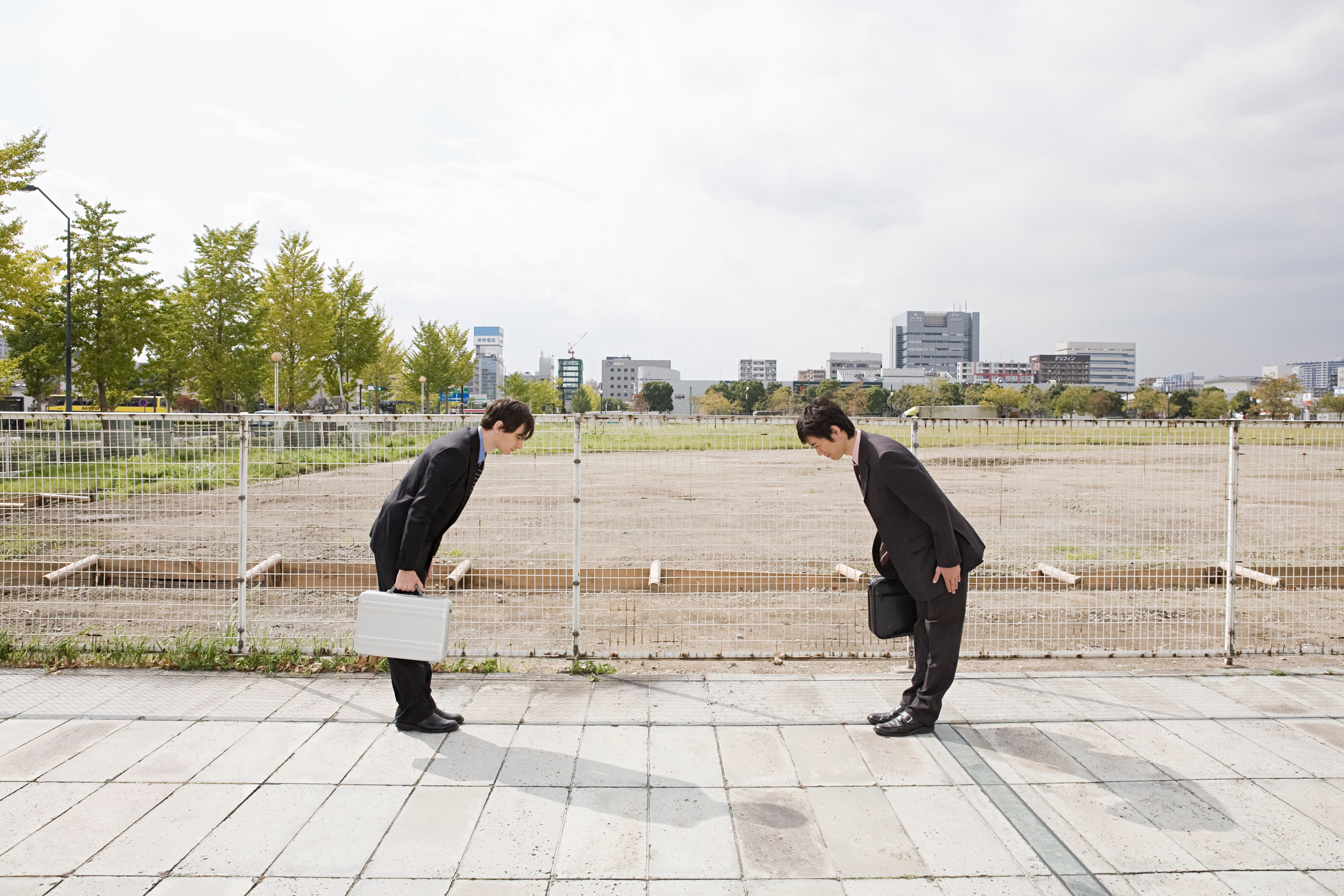
The Centre-Val de Loire is renowned for its historical architecture and lush landscapes. When managing construction projects here, it's essential to navigate the unique blend of preserving heritage while embracing modernity. Familiarity with local regulations and cultural sensitivities can significantly impact project success.
Working closely with local authorities and stakeholders is crucial for obtaining necessary permits and ensuring compliance with environmental regulations. This collaboration helps in maintaining the region's aesthetic and historical significance.
Planning and Design
Effective planning and design are cornerstones of successful construction management. This involves meticulous attention to detail and a forward-thinking approach. Architects and planners must consider both functionality and aesthetic appeal, ensuring that new constructions complement the existing environment.
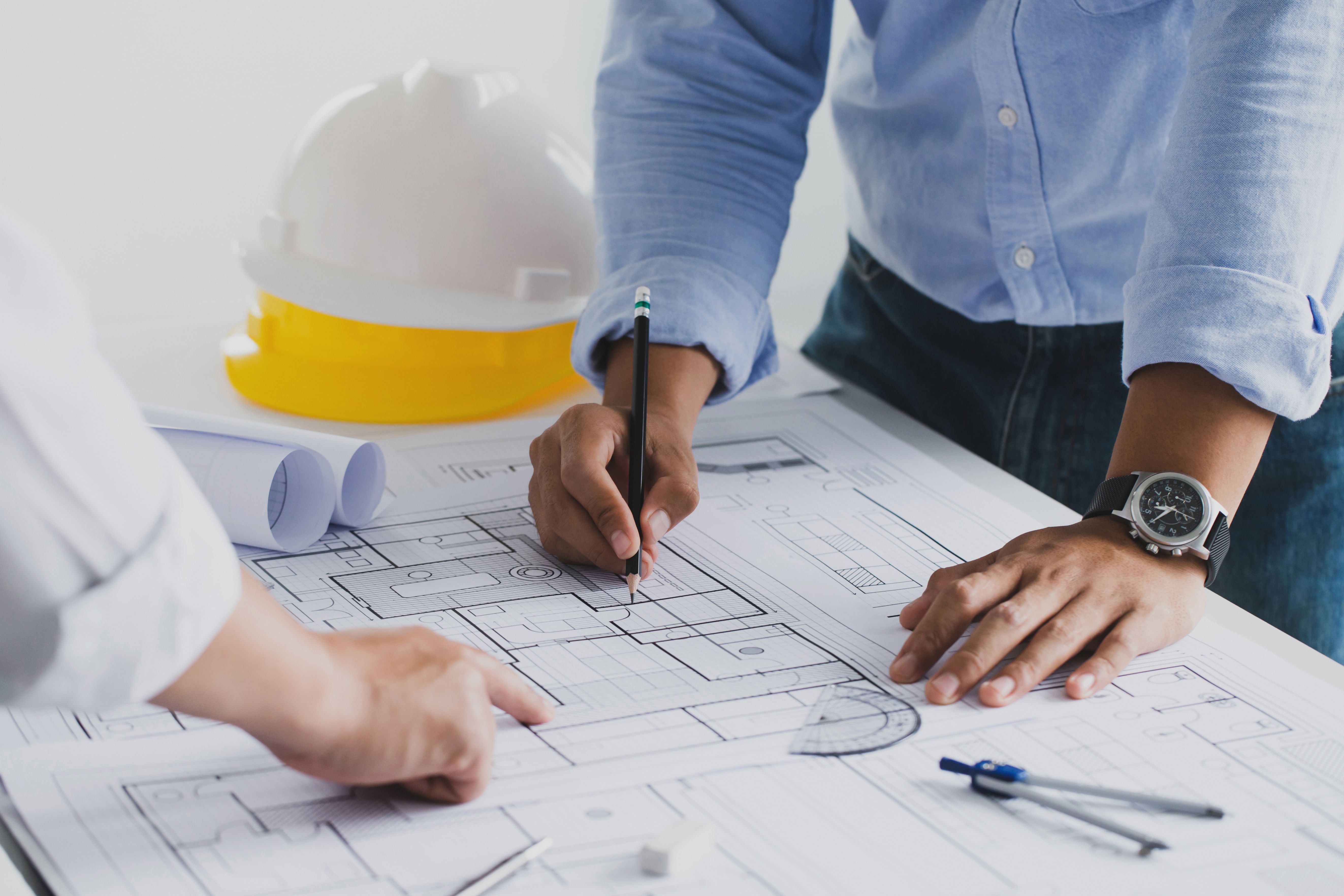
Incorporating sustainable practices in design is increasingly important, as it aligns with both regional and global environmental goals. This includes using eco-friendly materials and energy-efficient technologies.
Project Scheduling and Budgeting
Creating a realistic project schedule and budget is indispensable. Utilizing project management software can enhance efficiency by streamlining tasks, tracking progress, and managing resources effectively. Regular updates and adjustments are necessary to accommodate any unforeseen challenges.
Construction Execution
The execution phase is where plans become reality. Ensuring that construction teams are well-coordinated and communication is seamless can prevent delays and reduce costs. Safety protocols must be strictly adhered to, safeguarding both workers and the surrounding community.

Quality control measures should be in place to ensure that the highest standards are met. This involves regular inspections and maintaining open lines of communication between project managers, contractors, and clients.
Risk Management
Identifying potential risks early on and implementing strategies to mitigate them is essential. This includes everything from financial risks to environmental concerns. Having a robust risk management plan can save time and resources, allowing for smoother project execution.
Post-Construction and Evaluation
Once construction is complete, a thorough evaluation is necessary to ensure that all objectives have been met. This includes final inspections, compliance checks, and addressing any minor adjustments that may be needed.
Feedback from all stakeholders can provide valuable insights for future projects, contributing to continuous improvement in construction management practices.